
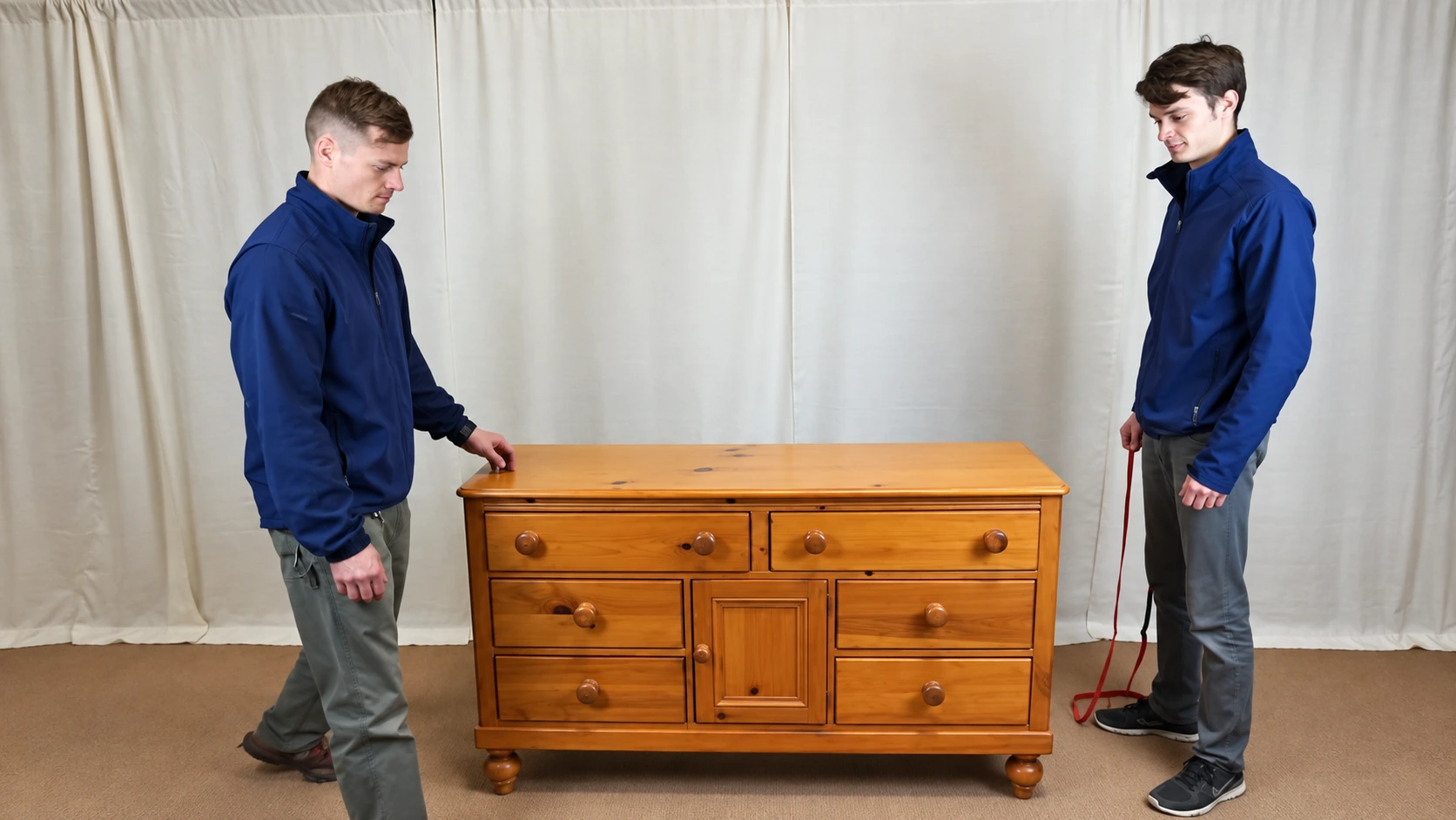
A Central Florida move can involve a gate at one address, stairs at another, and an exposed carry if rain arrives. The drive between Orlando, Kissimmee, and Sanford is only part of the plan. This guide helps turn access notes, room inventory, and a weather fallback into one clear request.
Check both entrances first
An Orlando apartment, a gated house in Kissimmee, and a Sanford downtown building can all have different access instructions. Ask each property where a moving vehicle may legally stand and which door is approved for loading. Write down gate instructions, elevator reservations, and the contact who can answer questions when the truck arrives.
Write down the vehicle entrance
Ask each property which gate or loading entrance a moving vehicle may use, where it may legally stand, and who can answer on arrival. A resident gate code may not work for a truck. Keep the Orlando pickup instructions separate from a Kissimmee or Sanford destination.
A gate instruction should identify the entrance a moving vehicle can actually use, not just the one residents use in a car. Ask the property whether a code, call box, guard, or appointment controls access and who can answer if the truck is delayed. Record legal parking or loading space after the gate. Do this for both the Orlando pickup and a Kissimmee or Sanford destination. A route description that begins at the wrong gate can turn a simple delivery into a long, unplanned carry.
Walk the route with large items in mind
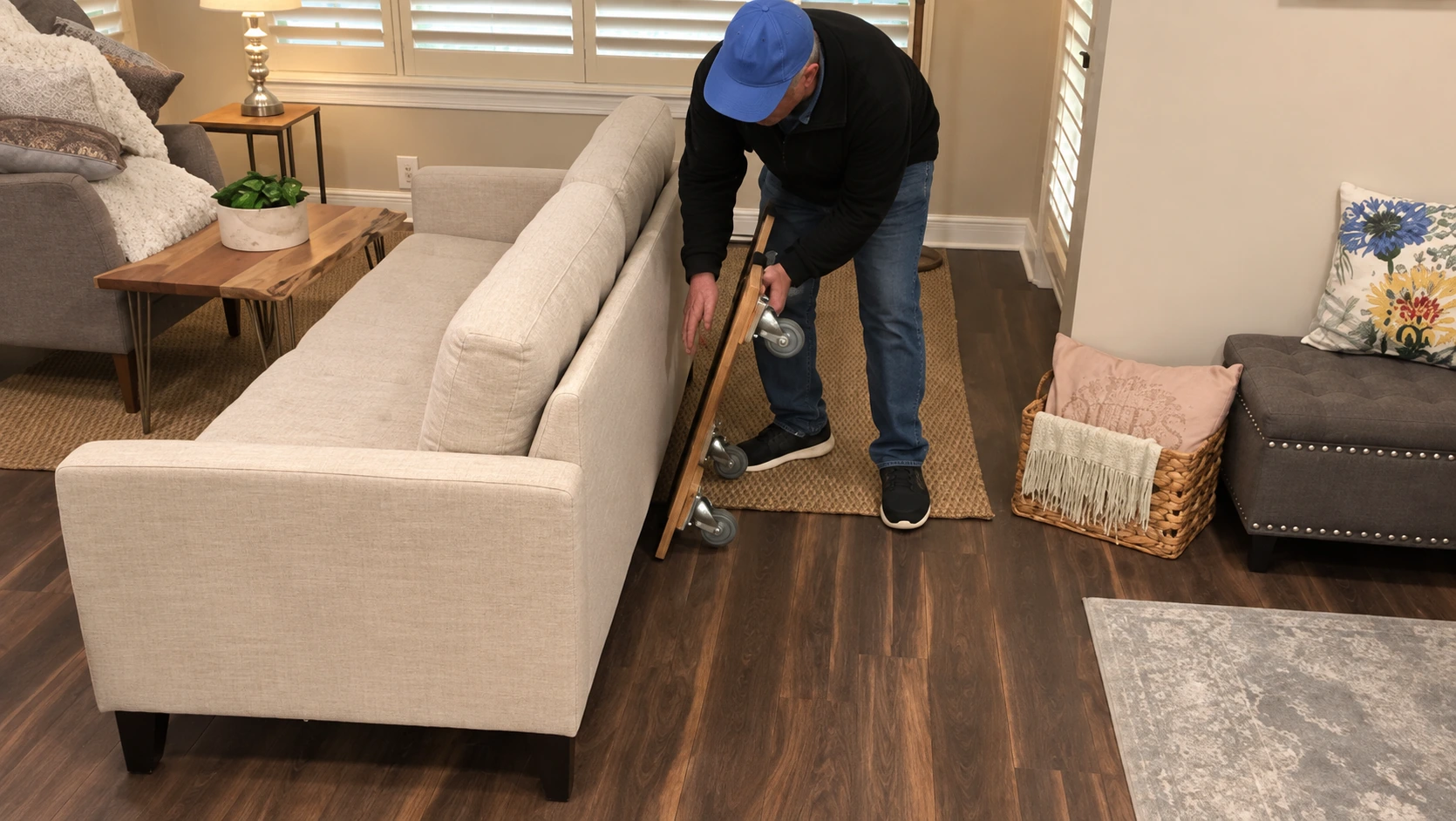
Trace the path from the truck position to every room that will receive furniture. Count steps, photograph narrow hallways, and measure doors or landings for the largest pieces. A short drive between homes does not reveal a long carry or a difficult stair turn.
Measure the turn, not only the doorway
Walk the path for the largest sofa, bed frame, or cabinet. Record steps, landings, narrow halls, and any long outdoor carry. Photos help the mover understand the route, while measurements show where disassembly or another access point may be needed.
Walk the largest furniture from room to approved truck position and repeat at the new home. Count every step and landing, measure narrow doorways, and note where a cart cannot roll. If a long outdoor path is exposed, include it in the access notes even if there are no stairs. A photo can show the setting, but dimensions are needed when a sofa or cabinet may not clear a turn. Ask about planned disassembly before moving day rather than waiting until the piece is in a hallway.
Decide where cartons can wait
Central Florida rain can arrive during an exposed carry. Identify an indoor or covered place for sealed boxes and avoid blocking a shared hallway or fire exit. If the property permits only a limited loading window, the room labels and staging order should be ready beforehand.
Avoid blocking shared access
Ask where sealed cartons can wait under cover without filling a corridor, stairwell, or exit. A timed elevator should start with boxes labeled and large furniture ready. If rain arrives, discuss a safe order for carrying items rather than rushing them into an exposed pile.
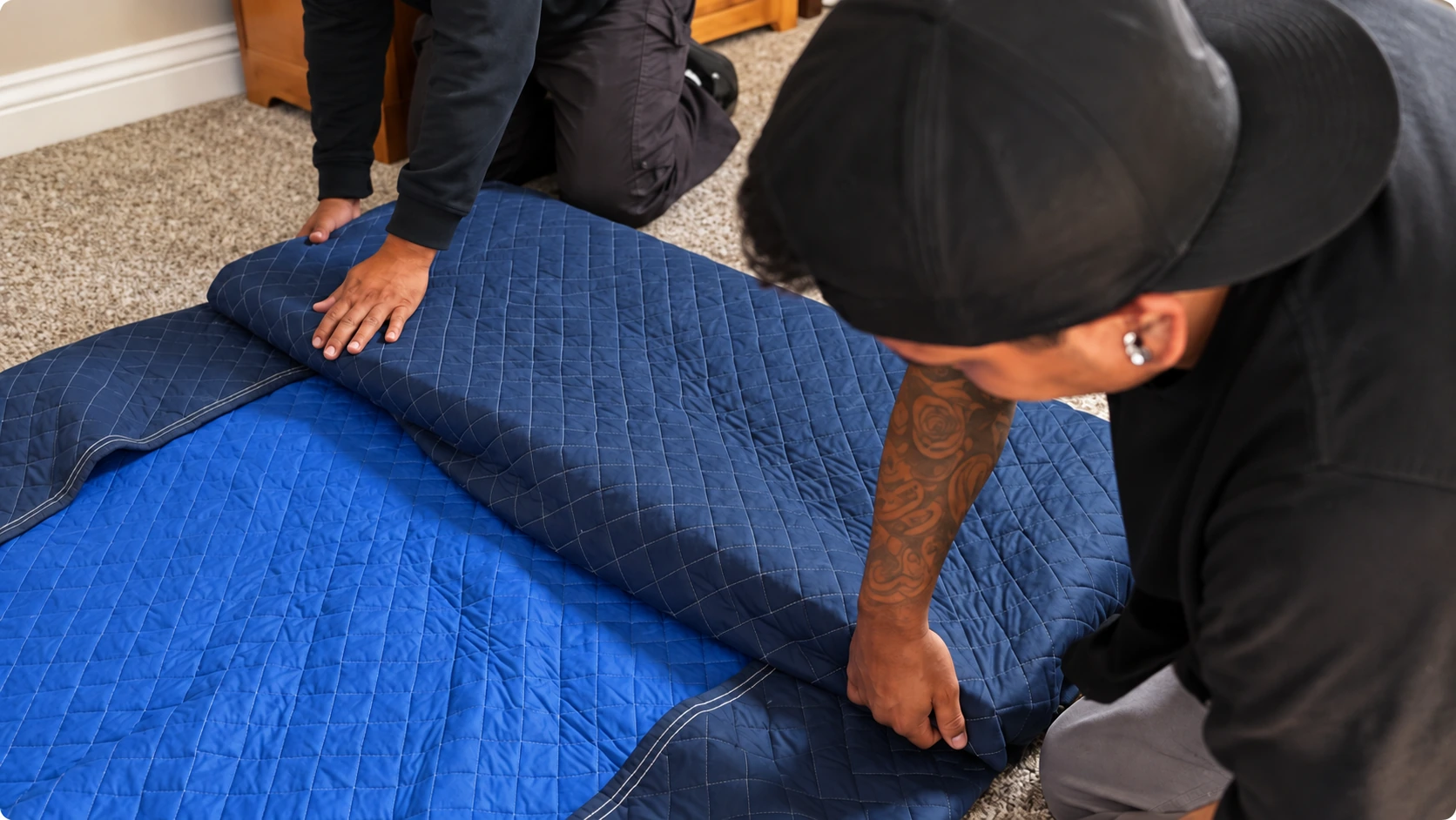
Rain planning begins with a permitted indoor handoff point. Ask where sealed boxes and wrapped furniture may wait briefly without blocking a corridor or fire exit. Keep loose items consolidated before loading and mark cartons with destination rooms so the order is clear. If a shower starts, agree with the mover on which protected pieces can travel next and which should wait for a clear path. A timed elevator or gate appointment still applies, so weather changes should be discussed with the property contact as well as the crew.
Keep the list current
List garage bins, patio furniture, and loose items that may be missed in a room count. Mark what has already been packed, what needs special handling, and which boxes belong in the first-use rooms. Keep documents, medication, and essentials with the household.
List what is outside the living room
Count garage bins, patio furniture, storage contents, and loose items as well as packed cartons. Mark fragile pieces and which items need packing help. Keep documents, medication, keys, and first-night supplies with the household instead of placing them in the truck.
Include garage bins, patio items, storage contents, and last-minute boxes in the same inventory as the main rooms. Mark pieces that are fragile, unusually heavy, or not yet packed. A room count alone cannot explain the work if a garage or outdoor area contains many loose items. Set aside identification, medication, keys, chargers, and first-night supplies in a bag carried by the household. Recount cartons after the final packing session and send a specific update if the load has grown.
Explain the plan to the mover
Send Panda Movers the inventory, access notes, photographs, and requested service. If a gate code or elevator booking is still unconfirmed, say so clearly. The route and scope can then be reviewed against actual availability and written terms.
Tell the mover what is not confirmed
Send Panda Movers both addresses, inventory, access photos, and requested services in one message. Label an unconfirmed gate, elevator booking, or legal vehicle position as a question. The company can review the route and written terms once the property provides the missing facts.
Send Panda Movers a complete request with both addresses, approved entrances, step counts, photos, inventory, preferred date, and requested services. Identify any gate or building instruction still awaiting confirmation. The company can then review the actual route and written scope instead of guessing from mileage. If an answer arrives later, update the shared plan rather than sending an isolated code or a vague message that the access has changed. One current version is easier for the household and crew to follow.
Confirm who can open each access point
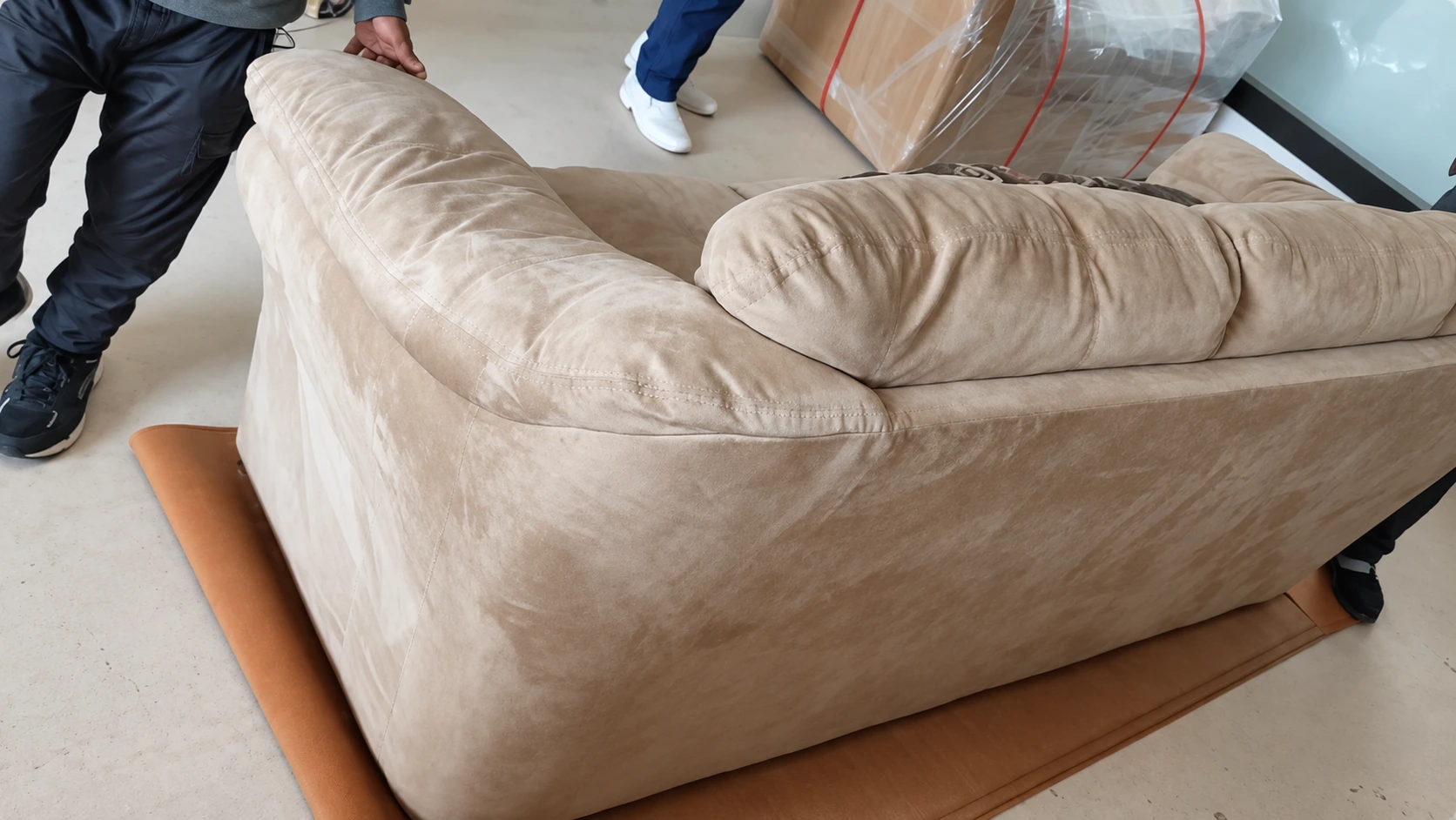
A gate code written on a note may not be enough if the vehicle arrives at a different entrance from a resident car. Ask the pickup and destination properties which gate, call box, loading door, and lift route a moving vehicle may actually use. For a trip between an Orlando apartment and a Kissimmee or Sanford home, keep both sets of instructions separate and include the person who can answer at arrival. If rain starts during loading, identify which sealed cartons can safely wait under cover and which items should move only after a clear indoor path is ready. That sequence helps prevent a rushed pile at the doorway while respecting the property’s access rules.
Use a reachable person at each end
Record who can open the gate or service door and how to contact them during the move window. If an entrance changes, update the mover before the vehicle arrives. The delivery room plan should be ready so the crew does not wait in an exposed driveway with large items.
Choose a person who can open and direct access at each property. Confirm that the receiving contact will be available when the vehicle arrives, not only at the start of a broad delivery window. Give that person the room labels and the agreed covered staging point if rain occurs. If a gate fails or an entrance closes, use the property contact to approve another route before a crew starts carrying. A useful fallback has permission, a reachable decision-maker, and a clear way to tell the moving team what changed.
Make a timeline for gate and weather changes
Put the pickup opening, loading period, drive, and receiving access on one timeline. Add time for a gate call or building check-in, and identify a covered handoff point if rain starts. Confirm the people who can approve access before the truck is loaded.
Separate weather changes from access changes
Rain can alter the order in which sealed cartons and wrapped furniture move, but it does not change property rules. Identify the indoor handoff point and the approved truck stop in advance. Share a revised sequence when weather or gate access affects the plan.
Central Florida access checklist
- Approved vehicle gate, loading stop, and arrival contact at both addresses.
- Stair count, narrow turns, and measurements for large furniture.
- Covered staging area that does not obstruct shared access.
- Room inventory including garage, patio, and storage items.
- Destination labels and a bag of essentials kept with the household.
| Stage | What matters | Action |
|---|---|---|
| Gate | Vehicle entrance and contact | Confirm with each property |
| Stairs | Large-item route and landings | Measure and photograph |
| Rain | Covered handoff and load order | Agree on a safe sequence |
| Delivery | Receiving room labels | Prepare before arrival |